May 12, 2026
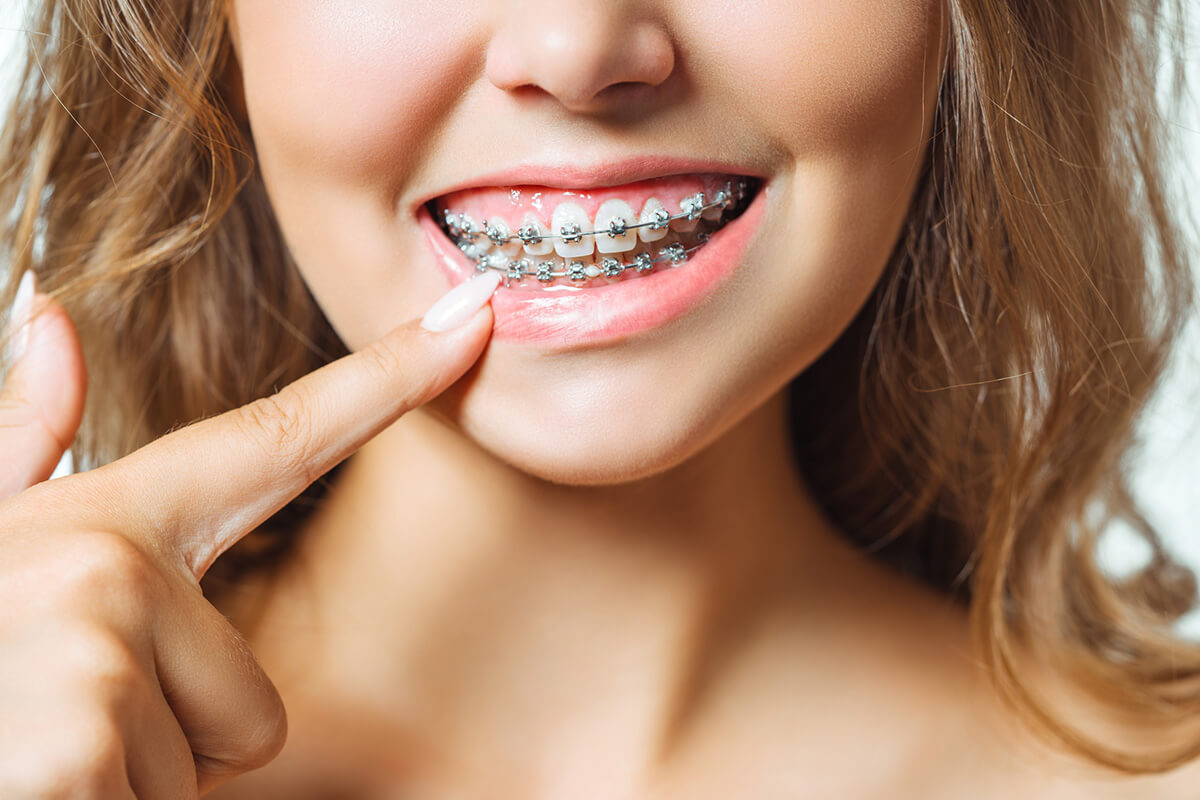
Braces are an effective and highly versatile orthodontic treatment system. Closing gap teeth depends on several factors, including gap size and overall alignment. When you have braces, small gaps in your teeth will close relatively quickly, starting at about six to nine months. Orthodontic treatment varies for larger gaps – if you have multiple gaps in your teeth, it may take about 12 months to 2 years to close them with braces.
Causes of Teeth Gaps
The most common cause of gapped front teeth is a low-seated frenulum that keeps the teeth from meeting. The frenulum is a fold of skin that attaches the upper lip to the gums.
Other causes include having small teeth, large jaws, unerupted permanent teeth, and an absence of teeth in the jawbone. Habits such as thumb sucking can also play a role in creating gaps between certain teeth.
Effects of Gapped Teeth
Many patients feel self-conscious about gapped teeth. Gapped teeth can also have a significant impact on your dental health. Food particles can collect in the extra space between teeth, raising the risk of tooth decay and gum disease. In some cases, untreated gaps may contribute to bone loss in the jaw. If your teeth have a large gap, you may not have room in your mouth for teeth that need to erupt, disrupting your bite.
Correcting Teeth Gaps With Orthodontic Treatment
Gapped teeth are among the most common reasons patients choose to orthodontic treatment. Braces are a cost-effective way to close spaces and achieve permanent tooth realignment. While clear aligners also work to correct gaps, traditional braces are more versatile and appropriate for children and adult patients.
Before you receive braces, your orthodontist will conduct a thorough orthodontic evaluation of your teeth and determine whether gaps interfere with your bite or the eruption of other teeth. They will take a complete set of 3-D digital impressions with the iTero® Element Digital Impression Scanner, making a custom made model of your teeth to build a personalized treatment plan.
How Braces Close Gaps
Braces work by applying gentle pressure to guide tooth movement toward the desired position. Over time, this highly effective method moves teeth together to achieve your desired outcome – a beautifully aligned smile. In complex cases or severe cases involving larger spaces, your orthodontist will adjust your treatment plan to support optimal results.
Braces Options We Offer
Metal Braces
Traditional metal braces are the most cost-effective option. Metal brackets and wires are appropriate for all ages and offer great flexibility in treating crooked teeth and misaligned teeth.
Clear Braces
Also known as ceramic braces, these braces come with clear brackets, making them a more discreet option – less visible on the patient’s teeth and allowing some discretion in treatment. Ceramic braces are especially popular among adults seeking a discreet option.
Lingual Braces
Lingual braces are attached on the inside of the patient’s teeth, giving the control and versatility of braces while keeping brackets and wires out of sight. This nearly invisible solution – sometimes called an invisible solution – is ideal for patients who want to keep their treatment discreet.
H4® Braces
Self-ligating braces need no elastics or metal ties to hold the wire on the brackets.
Frequently Asked Questions About Braces
Are braces uncomfortable?
There can be some discomfort when you adjust to wearing braces and sometimes after adjustments, but it should be minor. Use orthodontic wax on the brackets and wires if they rub against the inside of your lips and cheeks.
After I have braces, will my teeth stay in place?
If you wear your retainer as prescribed, you will not lose the hard work you put into your orthodontic treatment. If you ever need a tooth extraction after treatment, replace the tooth immediately to avoid alignment problems and the reappearance of gaps.
Call Greater Hartford Orthodontics
If you have gaps in your teeth and want a beautifully aligned smile, please call our Newington, CT, office at 860-667-8277. You can schedule a consultation with Dr. Cos to explore your treatment options and plan your treatment.